| Titolo Task | Valorisation of the waste by biotechnology processes to obtain for high value molecules or new products |
|---|---|
| Ente | Università degli Studi di Salerno (Unisa) |
| Quale bisogno soddisfa | Valorization of Agro-Industrial by-products: Reducing waste by utilizing scraps and residues from the Agro-Industrial chain. Production of High-Value Biostimulants: Developing innovative formulations with biostimulant activity to enhance crop growth and resilience. Increase in Agricultural productivity: Supporting crops in coping with abiotic stress and improving Agricultural yields. |
| Descrizione | Production of Biostimulants through Controlled Hydrolysis of Proteins Isolated from Microalgal Biomass and Agro-Industrial By-Products The process is based on the extraction and valorization of microalgal biomass, rich in proteins and bioactive metabolites, as well as by-products generated by the agro-industrial chain, such as plant waste or processing residues. Controlled hydrolysis is applied to break down proteins into bioactive peptides and amino acids, which are essential for stimulating physiological processes in plants, improving their growth, tolerance to abiotic stress, and crop quality. This approach offers a sustainable and circular alternative to traditional biostimulants, contributing to the reduction of organic waste and promoting agricultural sustainability. The resulting biostimulants can be formulated for specific applications, tailored to the needs of different crops and environmental conditions. |
| Numero Task | 8.1.2 |
| Docente di riferimento | Rita Patrizia |
| Aquino | |
| aquinorp@unisa.it | |
| Target | '- Agricultural Companies: Interested in improving crop productivity and quality through innovative and sustainable biostimulant products. - Agro-Industrial Companies: Focused on valorizing their by-products and waste to create new income opportunities. - Biostimulant and Fertilizer Producers: Seeking sustainable ingredients and technologies to develop more eco-friendly and efficient products" |
| Abstract grafico della soluzione | 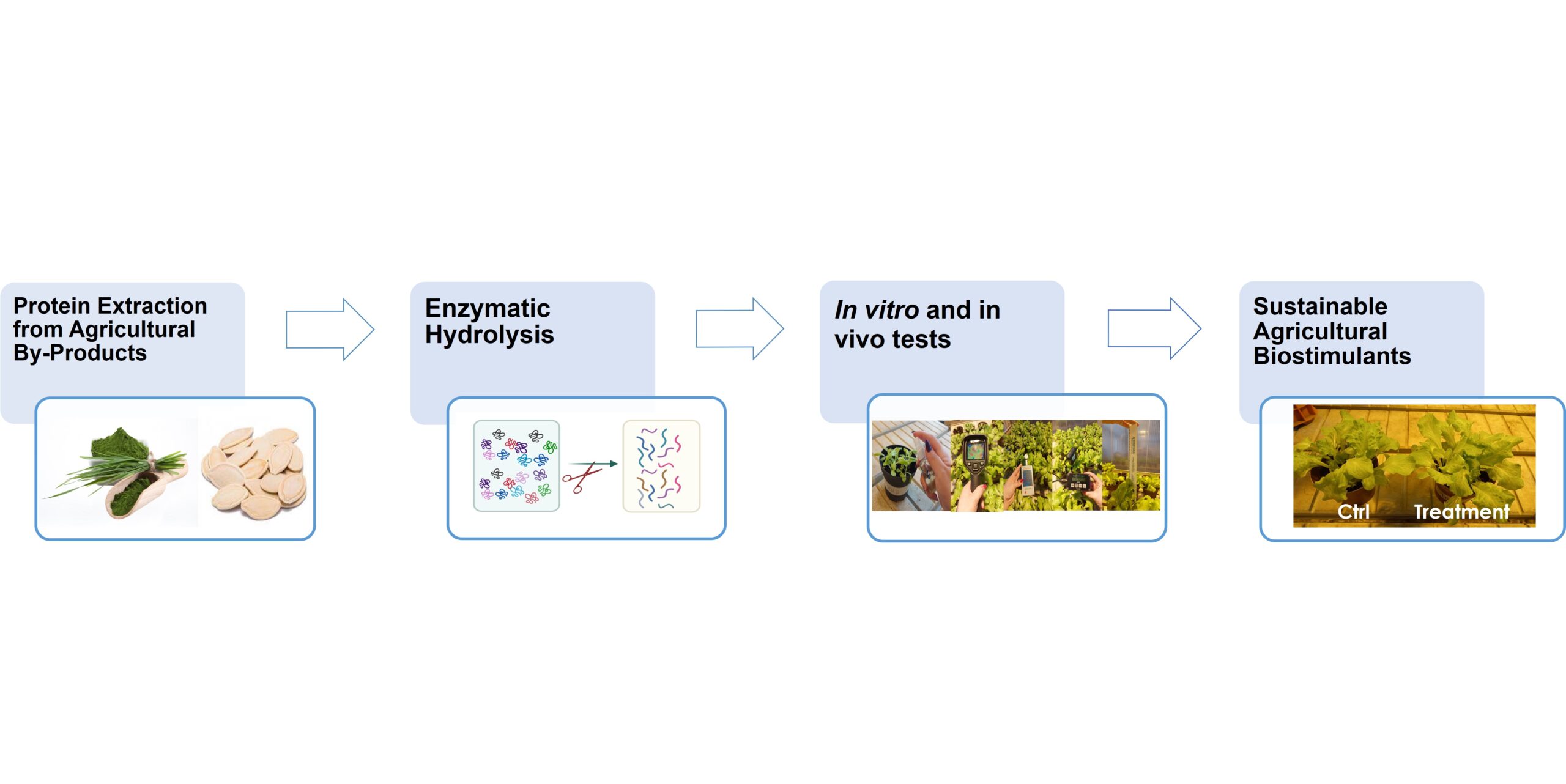 |
| Nome | Giacomo |
| Pepe | |
| gipepe@unisa.it | |
| Ente | Università degli Studi di Salerno (Unisa) |
| Nome | Domenico |
| Ronga | |
| dronga@unisa.it | |
| Ente | Università degli Studi di Salerno (Unisa) |
| Nome | Francesco |
| Del Prete | |
| fdelprete@unisa.it | |
| Ente | Università degli Studi di Salerno (Unisa) |
| Task leader | Filomena Nazzaro |
| WP leader | Alessio Scarafoni |
| TRL iniziale | 3,0 |
| TRL attuale | 4,0 |
| TRL finale | 5,0 |